UNH Arctic

The Arctic is on the front lines of climate change, with surface temperatures rising twice as fast as the global average, dramatic loss of mass in sea ice, the Greenland ice sheet and other glaciers, and rapidly thawing permafrost. Not only is a warming and thawing Arctic driving far-reaching impacts in Arctic ecosystems and social systems, changes in the Arctic have profound implications for the environment and social systems across the globe.
UNH Arctic aims to build a more vibrant and interdisciplinary network of Arctic researchers at UNH, increase UNH’s visibility within the national and international Arctic dialogue, and assist in the transition to more sustainable communities.


Education
Excellence in interdisciplinary education and Arctic field training for future Arctic researchers and leaders

News and Events
UNH Arctic sponsors and participates in many Arctic focused event both locally and internationally.
Recent Stories

Doctoral Student Using Technology to Form Clearer Coastal Mapping Picture
Doctoral Student Using Technology to Form Clearer Coastal Mapping Picture
Melanie Carolan's research aims to better map areas along New Hampshire and Maine coasts
Article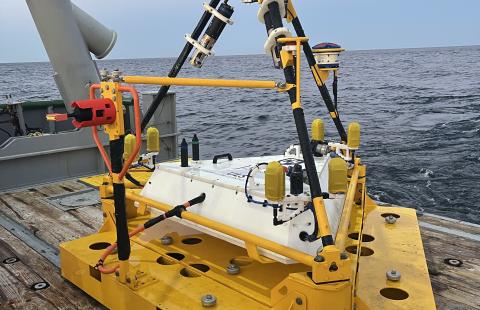
UNH Deploys Cabled Ocean Observing System Near Isles of Shoals
UNH Deploys Cabled Ocean Observing System Near Isles of Shoals
Real-time oceanographic and acoustic data will measure environmental conditions in Gulf of Maine
Article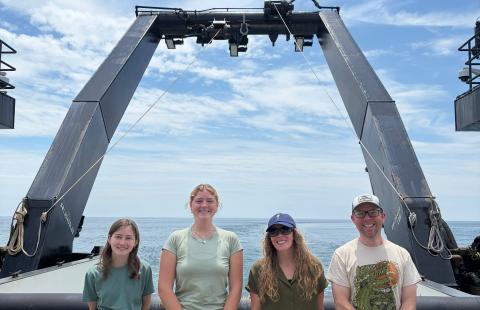
Research Cruise Tracks Ocean Acidification — and Expands Student Horizons
Research Cruise Tracks Ocean Acidification — and Expands Student Horizons
UNH students, researchers integral to success of this summer’s East Coast cruise
ArticleUNH Land Acknowledgement – As we all journey on the trail of life, we wish to acknowledge the spiritual and physical connection the Pennacook, Abenaki, and Wabanaki Peoples have maintained to N’dakinna (homeland) and the aki (land), nebi (water), olakwika (flora), and awaasak (fauna) which the University of New Hampshire community is honored to steward today. We also acknowledge the hardships they continue to endure after the loss of unceded homelands and champion the university’s responsibility to foster relationships and opportunities that strengthen the well-being of the Indigenous People who carry forward the traditions of their ancestors.
